

The Holidays, as Mirage.
The Starvation Parade of November + December.

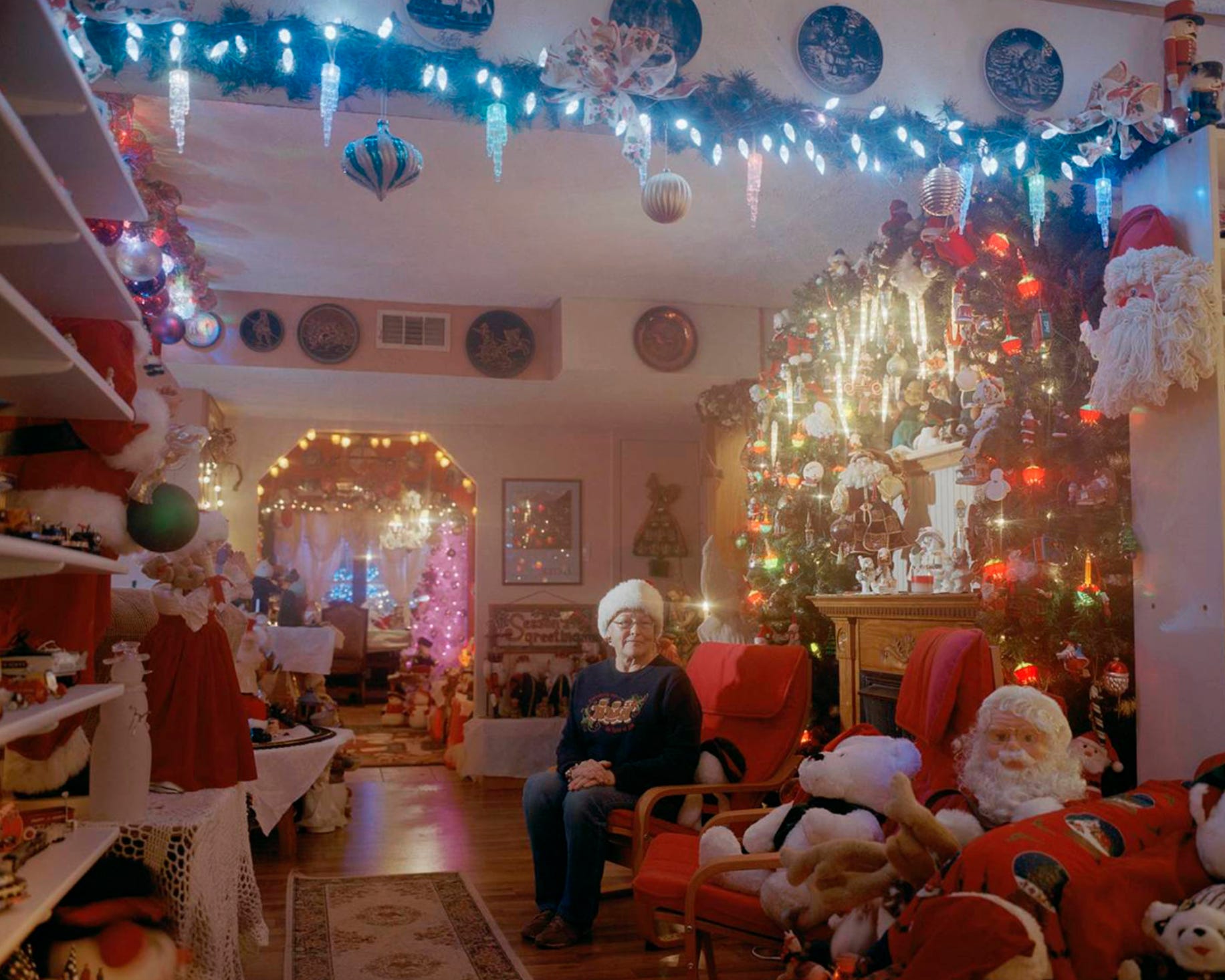
My mom was the doyenne of holidays and Christmas. A blue collar, small town Martha Stewart adhering to a frugal budget. She did a lot with a little.
Mom was type A, detail-oriented, not a bit of ADHD in her efficient brain, out to prove her worth via decorations. She was festive as fuck. She turned on like a bare 500 watt incandesent for the holidays. This was the time where she could be her best person, the one who created magic.
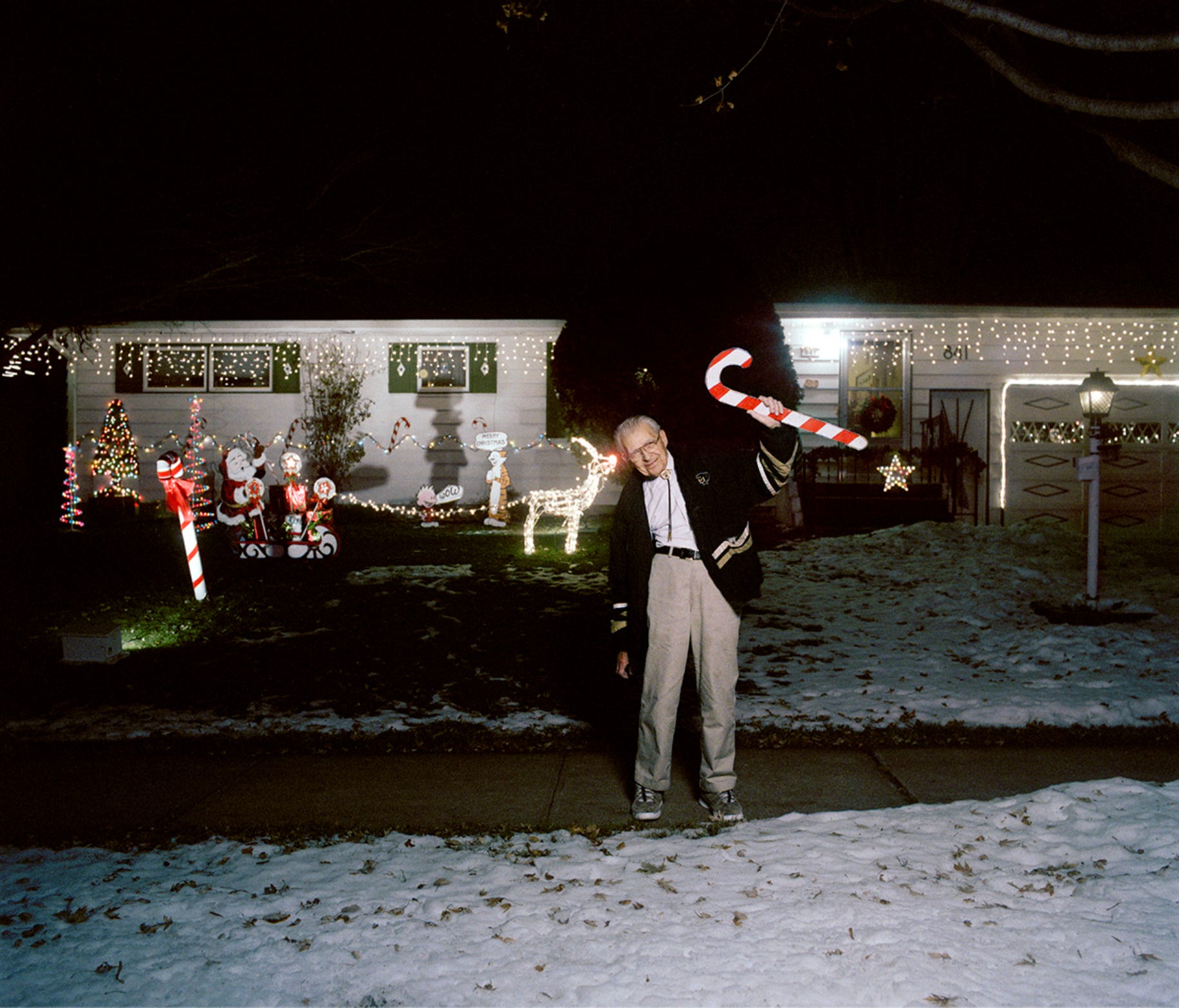
Once a year, I came home from school and the house unexpectedly, without word, transformed into a Christmas wonderland. She took all the knick knacks and encyclopedias off this big wall of shelves surrounding the wood stove, dragged cardboard boxes up from the cellar and filled the house with fake boughs, jolly little Santas and sleighs pulling reindeer. Every year, she added a few more items to her collection, a couple of elves, a robotic Mrs. Claus that played music and rang a bell, a crushed velvet Rudolph with a nose that lit up. Every year the decorations would disappear on January 2nd, same time, same process, neatly packed away in storage, when I was in school. To me, the whole holiday felt expansive and effortless, efficient and comfortingly the same.
Same with her holiday parties. Cousins at a card table, off the end of the adults. Chubby high ball glasses with silver metallic rims. Bar packets of whiskey sour mix. Turkey carved by my dad with an electric carving knife. Him getting to secretly eat the crispy, salty meat off the neck bone, while he did his cutting and slicing in isolation. My mother was too blue collar to watch Julia Child, whose recipes were too fancy and French for us - the only lettuce at the Grand Union was head lettuce anyway. We never had a shot at French food. But she made a beautiful table.
And the trays of cookies. This was her trademark. Mom never was comforted by cooking, but baking she loved. She was precise and baking is about precision. Of all the things I didn’t keep of hers when she died, I did keep this dumb plastic red cup that she used to dip into the flour tin and measure out a cup. It isn’t even a real measuring cup. Just something she used. But I can see her beautiful hands, the shape of her fingers, the cup tucked inside, the flour dusting her knuckles, the way this was second nature, a manifestation of her at her very best.
Back then, no internet, of course. So no cache of photos to remember the huge tray of Christmas cookies she made. I remember the tray as gigantic, although it was probably just a regular large tray. A gorgeous and ornate slab of cookies, tucked into perfect rows, that felt bigger and better than anything else anyone else’s mom could make. Perfect shapes, a bounty of textures, tastes, sprinkes, gingerbread men with cinnamon buttons, thumb print cookies with chocolate kisses in the center, a pressed chocolate poodle was my favorite. I still own the cookie press that produced the poodles, although I’ve never made her cookies and probably never will.
I know I couldn’t make what she made. We all have our gifts.
Mom doled out ornate paper plates of cookies to neighbors. Sent little boxes of cookies to my teachers. I had to tell her to stop doing that, because the kids in my classes called me a “brown-noser” for having my mom ply the teachers with plates of cookies. When I was an adult and worked at a house for schizophrenic adults, my mom made a whole separate tray of cookies for the house. The residents were thrilled. I was proud.
My mother was a holiday conquistador. I admired her.
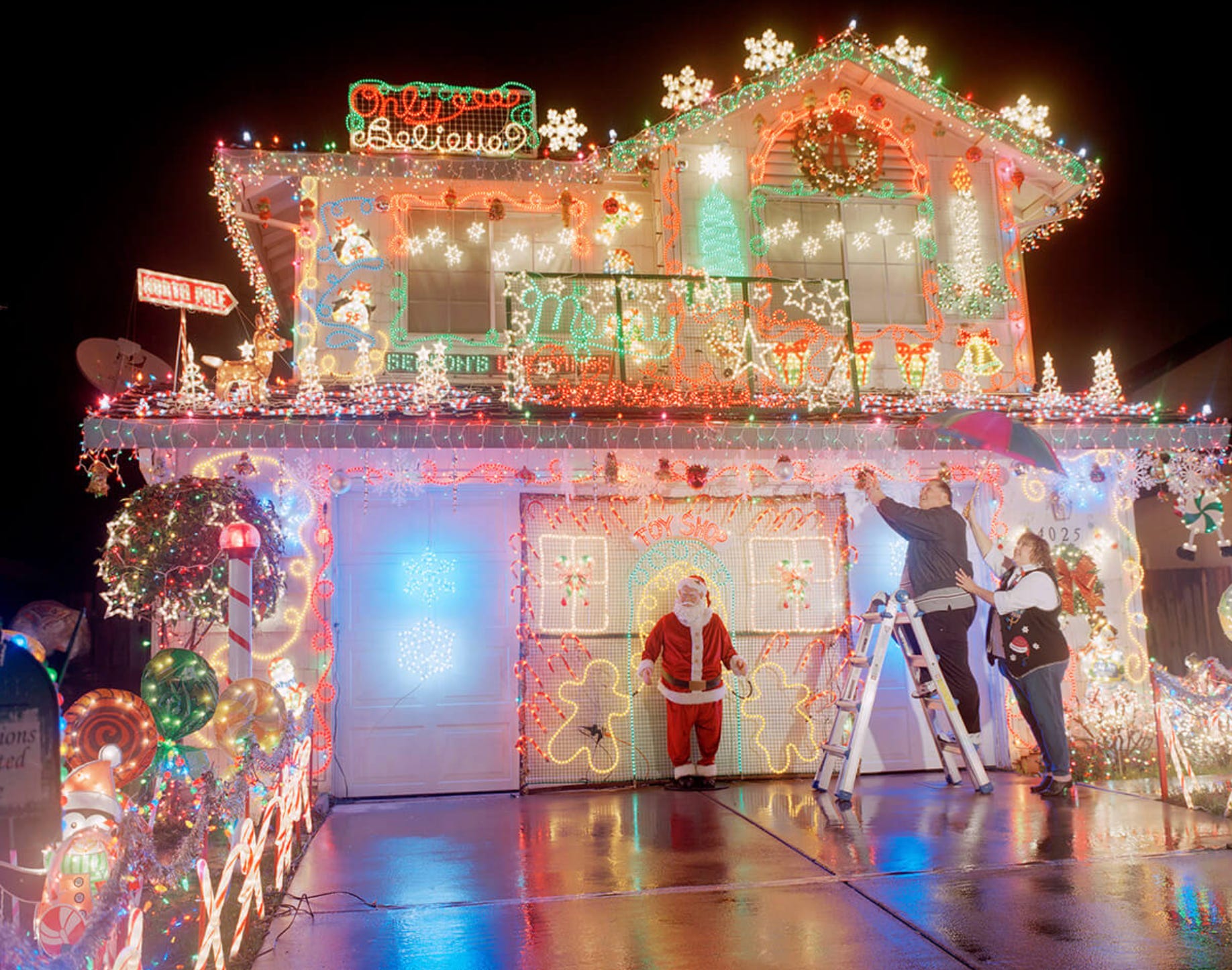
My mom never had a dinner party where you could see the preparation, the dirty dishes, the overflowing pots, her jeans powdered with flour. Guests never walked in mid-cooking, seeing her in mid-exasperation over a burnt dish. She never said, Hey would you mind peeling some potatoes? to a guest, or putting them to work on the salad, because she had factored that job in hours or days before, and had it checked off and completed it on schedule. The house was clean and tidy. The table set with the good dishes and a tablescape of plastic flowers (matching the holiday or event) flowing out of a ceramic cornacopia in the center of the table.
The performative perfection was the point.
My mom was creating the holidays she never had, the magic no one created for her. She did the work for me, but she mostly did it for herself. And that is okay. All of our holiday experiences are just that - an outward manifestation of where we are and who we are that year and in this life.
There were tells, of course. Before guests came to our house. Mom was a terror. Angry, pissed off at all of us, stomping around, slamming cupboard doors, aggressive vaccuming, critcizing our preparations, or lack there of. When she wasn’t kicking our asses, the quiet tension stretched through the house. We all retreated to corners and pretended to look busy. By the time the first guest pulled their car into their driveway, everyone was palpably relieved. She greeted the public with a huge smile, grand welcoming hugs. You’d never know she was a raging crazy person just minutes before.
One Thanksgiving, we went to my aunt and uncle’s for a late lunch. They had been making themselves Manhattans all afternoon. It took us forever to drive there, because there was a massive snowstorm. By the time we pulled in, both Aunt Stell and Uncle Bill were drunk as fuck, slurring words, barely standing without help. Mom had to save what was left of the dinner. But this time, trying to salvage a holiday that wasn’t of her own making, too close to her childhood, which had been saturated in drunkenness, poverty and ruined holidays, was more than she could handle. The ride home was a hard, unstifled agony of her old trauma forced out of hiding.
After that, she controlled the holidays. And the magic. And as I got older, I came to see how the magic was compensating for something much darker that she grappled with everyday. I was a lucky beneficiary of the goodness, but the goodness came from the very darkest recesses of her being.
For mom, the abundance hid a starvation parade.
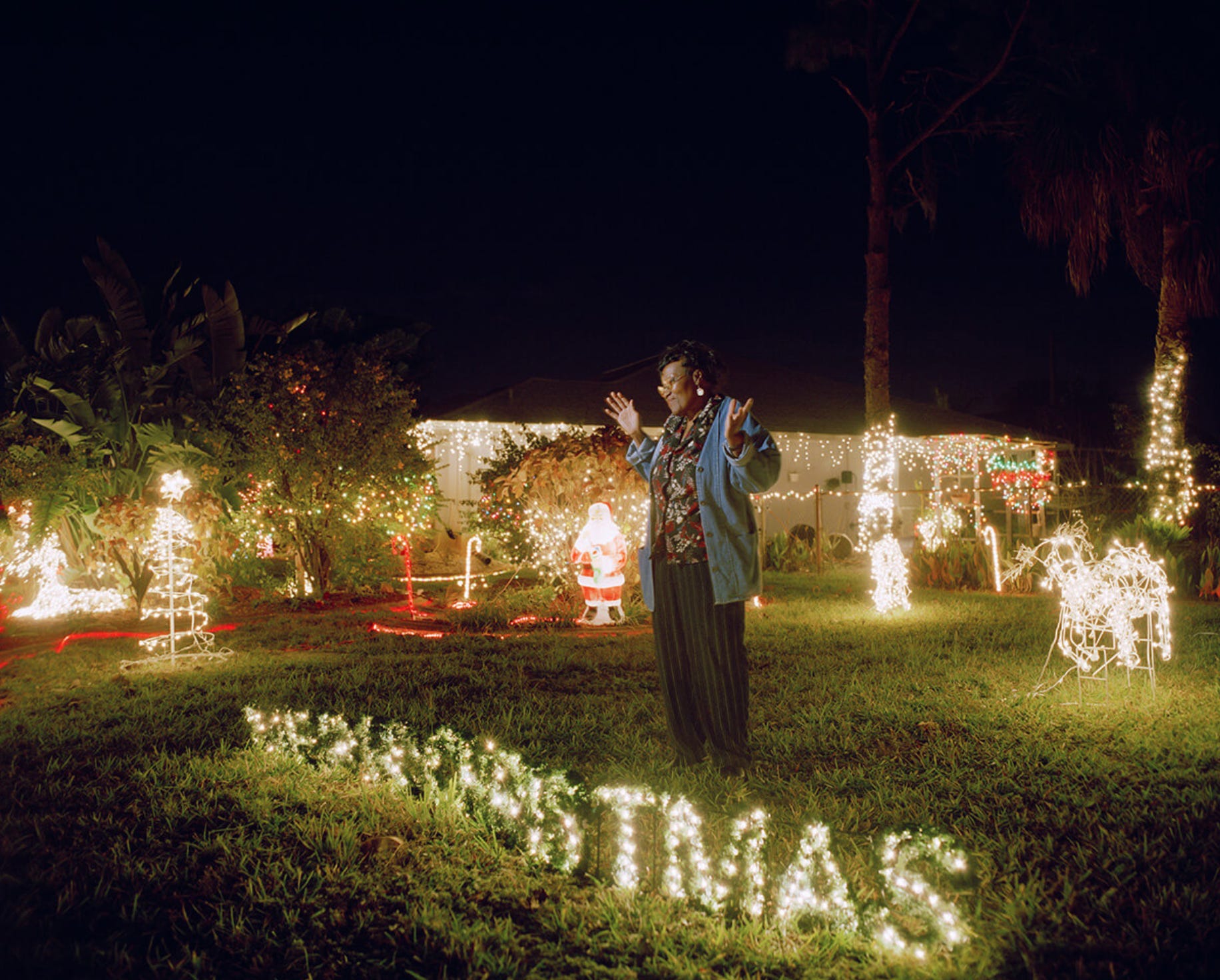
We know that the holidays magnify the disparities between the haves and the have nots. Not just the people who have a lot of money for presents and ample meals, and those who don’t, but those who carry trauma and complicated histories, as well, and for whom the holidays feel like a public competition of how you are faring in the world.
I was thinking about the starvation and abundance narratives in Charles Dickens’s classic A Christmas Carol. Ebenezer Scrooge employs Bob Cratchit. He pays him, so he has to deal with Crachit’s poverty and his family’s devastating circumstances. It’s not metaphorical for Scrooge, the way it was for much of well-off Victorian society. Later, when he is visited by the Ghost of Christmas Present, there are two small children hiding in the folds of his robes, Ignorance and Want. The Ghost turns his bedroom into a well-stocked pantry overflowing with foods and provisions. The abundance highlights the scarcity.
In a paper by researcher Tara Moore, Starvation in Victorian Christmas fiction, she writes that: If Christmas literature seeks to correct a mishandled economy, it is through the curious currency of food. Where we might see cozy narratives of family feasts and delicious tributes to a beloved holiday, there is a “starvation parade”—a reminder that something deeper lurks behind the stereotypical images of plenty that mark Christmas celebrations even today.
This idea of a starvation parade - which in this context, is not a line of tents along a homeless encampment, but a room filled to the brim with provisions, festive magic, gifts, twinkling lights, and ample food - reminds me of the ways we cover up for our personal scarcities. How we use extravagance, name brands, fakery, bling, to offset how hard it is to be human. How we need the showing of abundance to affirm who we think we are, or hope to be.
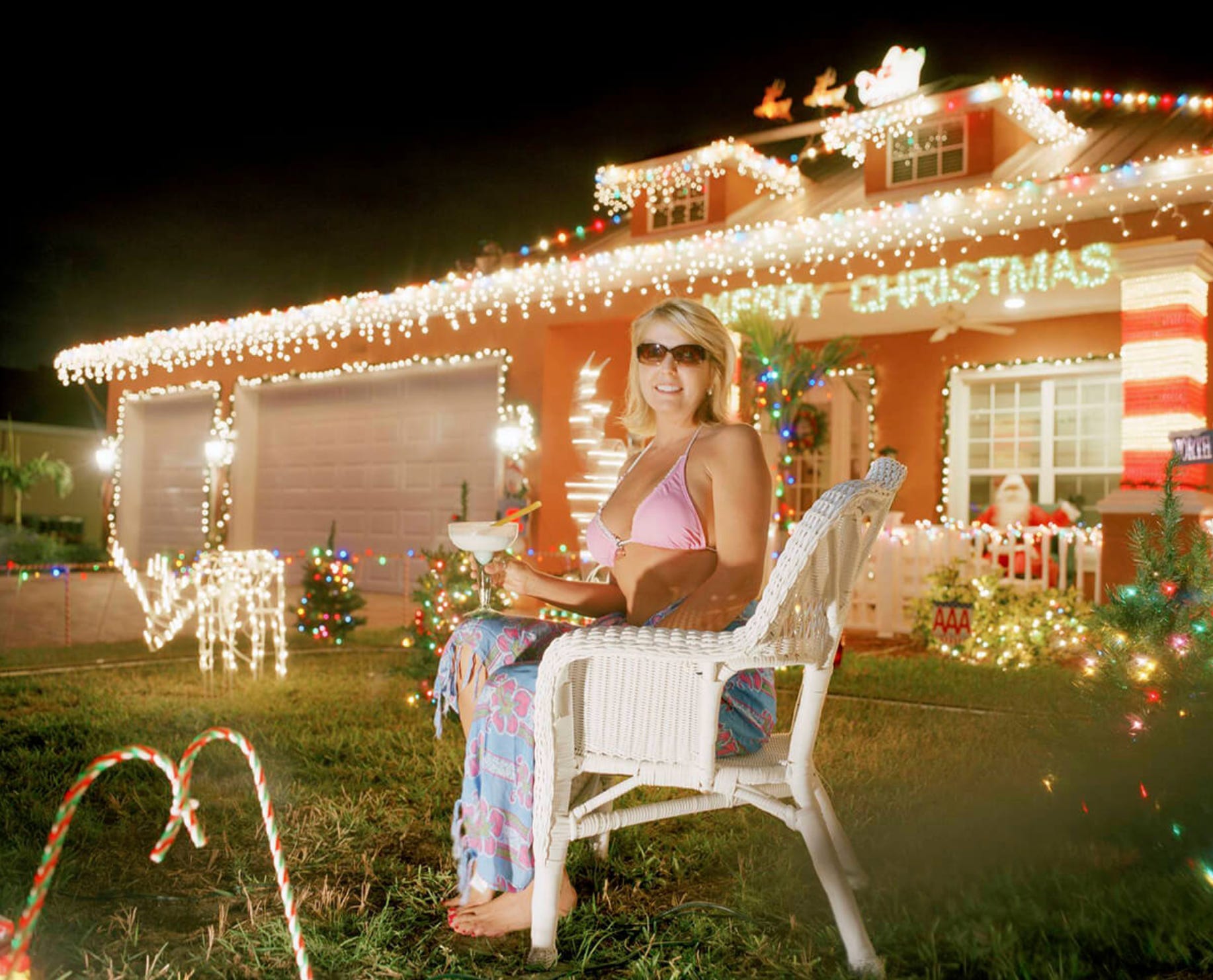
As a new mom, I felt the pressure to bring the magic. Big feasts, trees with antique ornaments that the kids would cherish into their adulthoods. Lots of presents under the tree. And don’t get me started on traditions: Traditions! Let’s invite 50 kids over and make cookies from scratch and decorate them, and put them into beautiful little tins, and walk around the neighborhood handing them out to the neighbors! Yes! Let’s go!
I’d make big dinners that took days to pre-prep and prep, while my kids went to a playdate, so I could get it all done. Every year I vowed to not shop last minute, wrap last minute, fight the check outs on Christmas Eve at 10pm. I’d be efficient this time. I’d wrap gorgeous presents, making each one special with little bells and ornaments and hand-made bows. And I’d be fucking happy while I did it, because if you aren’t happy, then what’s the point?
Force the happiness. Be happy at all costs.
So how did that go?: The antique ornaments have long been crushed under toddler feet. This year I replenished cheap bulbs from Lowes. Once I bought so many presents for Lucy, when she was a toddler, she made us stop Christmas. We overwhelmed her. We saved the unopened presents for her birthday the following February. My mother, visiting us one Christmas, hated a breakfast egg dish I made so badly, she said I was trying to make her sick on purpose. She demanded we take her home and we did. At a Christmas party, we invited a neighbor who was lonely and without family… He told the other guests at the party that he and I were sleeping together. He was removed. David and I often barely gave each other anything, because sometimes the buying and preparing was such an onslaught, that we let each other off the hook. My gift is not having to give you a gift because I love you.
I was so pissed when the Elf on the Shelf tradition became a thing, because I felt that corporate America was giving us one more fucking thing to remember to do. And not only that, we couldn’t just move the dumb elf, we had to be super creative about the elf’s antics and create a funny, imaginative diorama of the elf taking a poop with a Hersheys kiss, that was worthy of Instagram.
What I felt mostly was how much it had meant to my mother that the holidays went off without a hitch. I internalized it. That perfection and near perfection mattered. The performance matters. And I get why it mattered for her - this was the healing she needed, to reinvent what was painful for her and turn it into something beautiful.
But I didn’t need that form of healing for myself.
I hadn’t quite realized the holidays could be what was best for all of us. And I started thinking more about what the whole family wanted and needed. Raffi and Desi’s autism was a big part of the change. They couldn’t regulate their emotions amid all the activities and hub bub, so we ramped it all down. We were all better for it.
We challenged everything: Do we need to have 30 people for dinner? Do we need to cook a whole hog? Do we need to buy all those presents? Do we need a real tree? What does our family really want, so they feel comforted, held, and seen? What is worth doing and not? What brings the most love and calm and satisfaction?
I don’t know how to tell you to get off the treadmill of the holidays. Or that you even should. If it heals you, go for it.
My only suggestion is that you focus on the essentials and not the parade. That you notice the differences between the having and not having. Especially this year, as the disparities in wealth become more and more obvious. That you give yourself a break and then give yourself more breaks.
That you see yourself building your very own starvation parade and you stop yourself and ask: Is this what we want and need? That you get to focus on those little, almost boring moments of connection and light, like reading a Santa story to a cuddly kid. Walking down a snowy path. Making cheeseburgers for a young adult hankering for comfort food after their first semester away at college. Inviting the loneliest person on your street to sit next to you at your table.
And this can mean saying no to a party, and yes to a stupid Christmas movie on Netflix. Or yes to a party, because you’ve watched too many Christmas movies on Netflix alone, and you need people.
Knowing what you need, and what you don’t, and focusing yourself there, is the whole battle. Consider this a visit from your very own Ghost of Christmas Present.
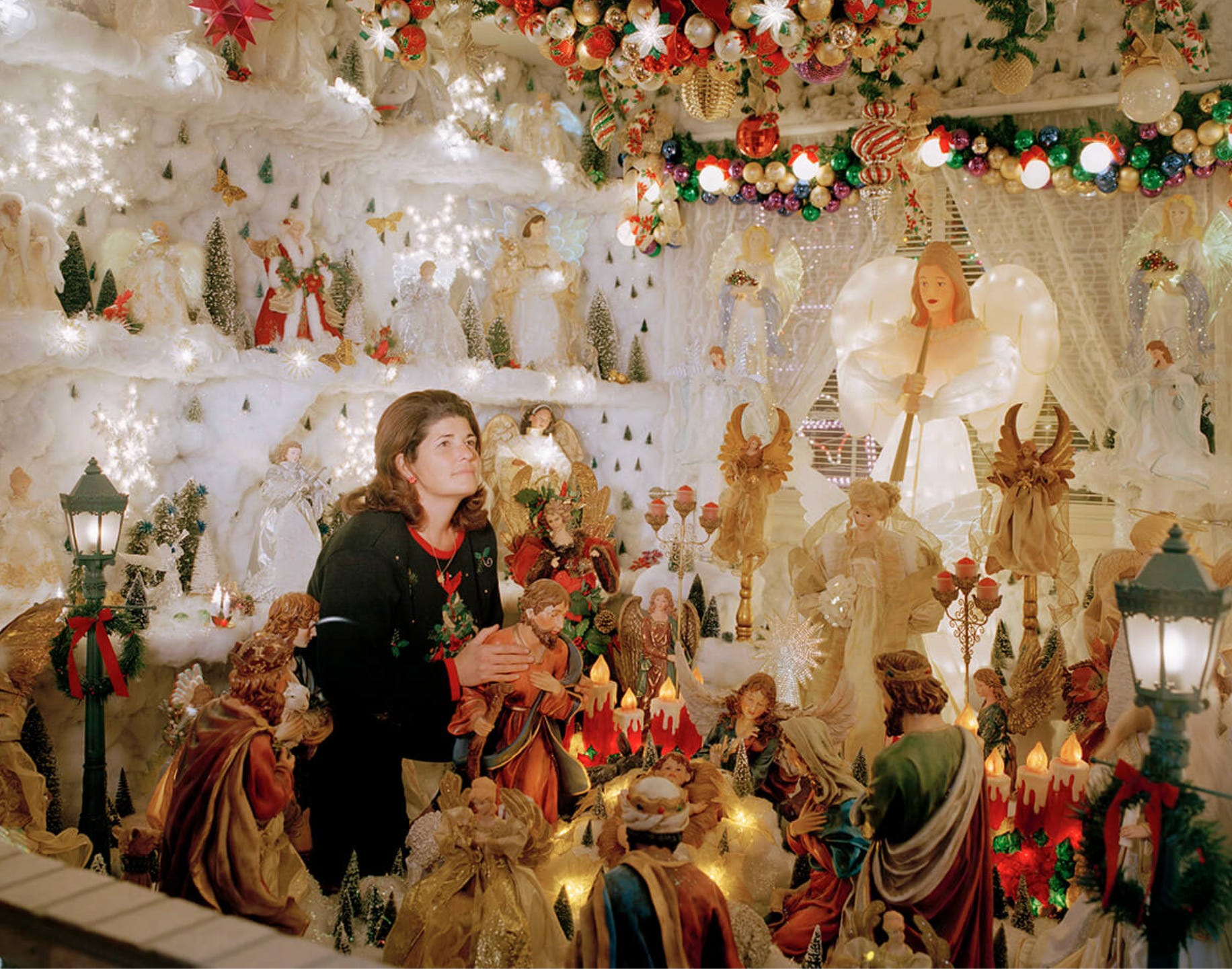
Whatever this holiday can be for you, I hope it is. To get it, we will have to be intentional, aware of what we really need, and muster up the strength not to over-compensate for the poverties we all carry around inside us.
Thank you, as always, for reading. Wishing you the very best on Thanksgiving. See you the week after. xo Kim

Fantastic work! Years ago, in an adult Sunday school class, we studied “Unplugging the Christmas Machine”. It’s a wonderful book and a great help in paring the holiday down to one’s absolute essentials. In making our individual lists then comparing our top 3 important activities I was surprised to find presents way down the list. The children preferred decorating the tree, our Episcopal church activities (making advent wreaths, Christmas pageant, advent quiet day, Hanukkah celebration…), stockings (filled with humorous gifts - ex: a child with a dental hygiene thing got a tongue scraper, floss, assorted toothpastes…). We chilled, freed of obligatory visits and had a blast with each other and especially with our beloved pets. Visitors were welcomed but warned it’s not a traditional holiday. Thanks again for the great piece.
Brilliant and profound. You would make Alastair Sims proud!