

Last Things.
Last chances, last moments, last words, last confessions, last goodbyes, last suppers.

David is in Noosa, Australia. With his dad, John, known to his grandkids as Poppy.
Yesterday, they threw John’s beloved wife’s ashes, a woman known to our kids as Granny Trish, from a boat into the Noosa River. The river, carrying the last bits of the physical Trish will flow through a series of waterways, feed into Lake Cootharaba, and then eventually pour itself into the South Pacific, where the sandy fragments of her bones will drift into the vastness of the South Seas and reform themselves into seabed and infinite organic purpose.
David sends a photo of him with Poppy to the family chat group. He is 87. Still handsome, but more frail, the plumpness missing from his cheeks, his hair thinner, and a harder silver, his mind more wandering and loose. David hates leaving him in his nursing home, more hospital than home. But Poppy enjoys being cared for, not cooking his own meals and doing errands by himself. We talk a bit about wanting to bring him to live with us, but we know that he will get better and more affordable (by far) care in Australia.
I wonder: Is this the last time David will see his dad? Is this the last visit?
I think about last things a lot.
Last things can be good: The last chemotherapy treatment. The last of an abusive relationship. The last of paying off student loans. The last of a long line we have to stand in. The last of feeling leaden with grief. The last days of an endless winter.
Or not as good: The last kid to leave the house, making everything quiet and empty. The last pregnancy. The last beach sunset with a friend before her sudden death. The last vacation before we are unable to travel anymore. The last time I saw my own parents before they died.
Life is a calendar of last things.
Parenting itself has been an endless supply of last things: The last time they slept in our bed. The last time they breastfed. The last time Lucy said keeks instead of cheeks. I lost my babies to toddlerhood. My school kids to tweendom. My teens to adulthood. Each time, there was a last time, and that last time felt like tiny, tiny deaths.
I remember this so vividly: Edie had started making up characters, improvising, and recording them for her Youtube channel. One of them, a character named Mary Eunice Blanchard, was a 10-year-old girl from the 1950’s. Mary Eunice found herself transported to the present, out of place, and curious, like an alien wandering on earth. She wore pink cat-eye glasses, a poodle skirt, and had a pug named Animal. (Our pug, Smudge, was always game). Mary Eunice’s distinct accent, her odd way of seeing the world, her awkward, time-warp narrations and perceptions. I looked forward to every incarnation. I got used to her being around.
One day, Edie filmed the last Mary Eunice video.
I don’t think she planned it. But she was done. She outgrew Mary Eunice. But I hadn’t. I’d come to love the little weirdo. I saw Mary Eunice as part of Edie’s alter-ego, a product of her innate creativity, a small glimpse into her art brain.
I liked having her be around. Maybe it would’ve been different had I known the last video was going to be the last?
In Catholicism, there are four official Last Things. And, because it’s Catholicism, the Four Last Things are the four hardest, un-fun things:
Death (not fun)
Judgment (time to pay up. oof, def not fun)
Heaven / eternal happiness (aspirational)
Hell / eternal punishment (realistic).
My biological mother was days away from dying of colon cancer, when she called my father to her bed. Not to confess. But to ensure he would keep their secret. About the baby they had and gave away (me).
By the end of the celebrations and funeral gatherings, however, the secret was out. What would’ve changed had she told her other adult children about their missing sibling? Why didn’t she want to set things right? Why did she choose in her last moments, to hold onto the lie?
It is, of course, everyone’s own choice to confess or hold onto our secrets. But last words in Western cultures are expected to be proclamations of great importance, the filling in of bottomless holes, the answer to questions, the transmission of great family truths, the solving of stubborn mysteries, the vetting of secrets.
I’m still broken that my mother took my existence to her grave. Did it hurt so much that speaking the words could break her a little, as well? No one, mostly me, will ever know.
The Talmud also likes a tightly-wrapped ending. It says: Make confession, for all who are sentenced to death make confession. The idea is to use confession as a way to come to resolution, even redemption.
This happens often enough: A woman riddled with cancer in 2022 confessed to her nurse in the ICU that her two children, now adults in their 50’s, were not her husbands. Their father was his best friend. In 2021, a 90-year-old man, finally told his family that he had another family in another city. He used business trips to go between them and had been doing so for decades.
Why did he feel the need to say it outloud? Had he always planned to tell them? Did he feel less burdened, absolved? Did knowing this truth help his two families? Were they friggin’ pissed? Would it have been better to take it to the grave? Are some secrets better left alone?
In 2024, a Japanese man dying of terminal cancer in hospital told nurses his name was actually Satoshi Kirishima, a terrorist who had evaded capture for nearly 50 years. His wanted posters were everywhere, and widely known to people in Japan. Was he unburdened? Had he planned to do this as his last act before dying? Did he want to get the last laugh? Keep the public talking about him?
A tough diagnosis can force us to confront our mortality, our last years and months. Our finite-ness. We can, and will, lament that our time has been cut short. There is never enough time. I’m personally pissed off that if I were just 30 years younger, I might benefit from all the longevity science going on now. Could I get a couple more healthy decades out of this ride? We are so afraid of confronting our last things.
Former Senator Ben Sasse of Nebraska has been on a podcast tour these past few months. He was diagnosed with a stage 4 metastatic pancreatic cancer. He reframes our mortality as a way to eliminate the lie that we are “centers of the universe.” Sasse believes our real power and purpose is centered on our families, loved ones, and communities. To service to others. And he reminds us that the process of dying, of experiencing all of our last things, is also part of the process of living.
When we see a patient who is actively dying, hospital gown, skin and bones, weakened by disease, unreconizeable to us, we might believe the best of them has already left us. That they are walking dead. They are failing. Their nursing home is God’s waiting room. They remind us of our own powerlessness and precariousness. Because it can, and will, infect us, too.
But Sasse believes that in dying, there is time for more last things. The good kind. Another afternoon coffee looking out over the Noosa River. Another look at the hot young resident looking at our scans. One last intimate conversation where you leave nothing on the table. Another beach sunset. One last fuck. One last vacation. One last time sleeping next to the warm slumbering bodies of our children. One last I love you. One last hug. One last _______________________ (fill in the blank). Sasse doesn’t run from the last things, he embraces them, counts them, is intentional about making more of them.
We aren’t gone until the last breath leaves our bodies. We live to the very very end. I highly recommend this conversation with Ben Sasse and Russ Douthat.
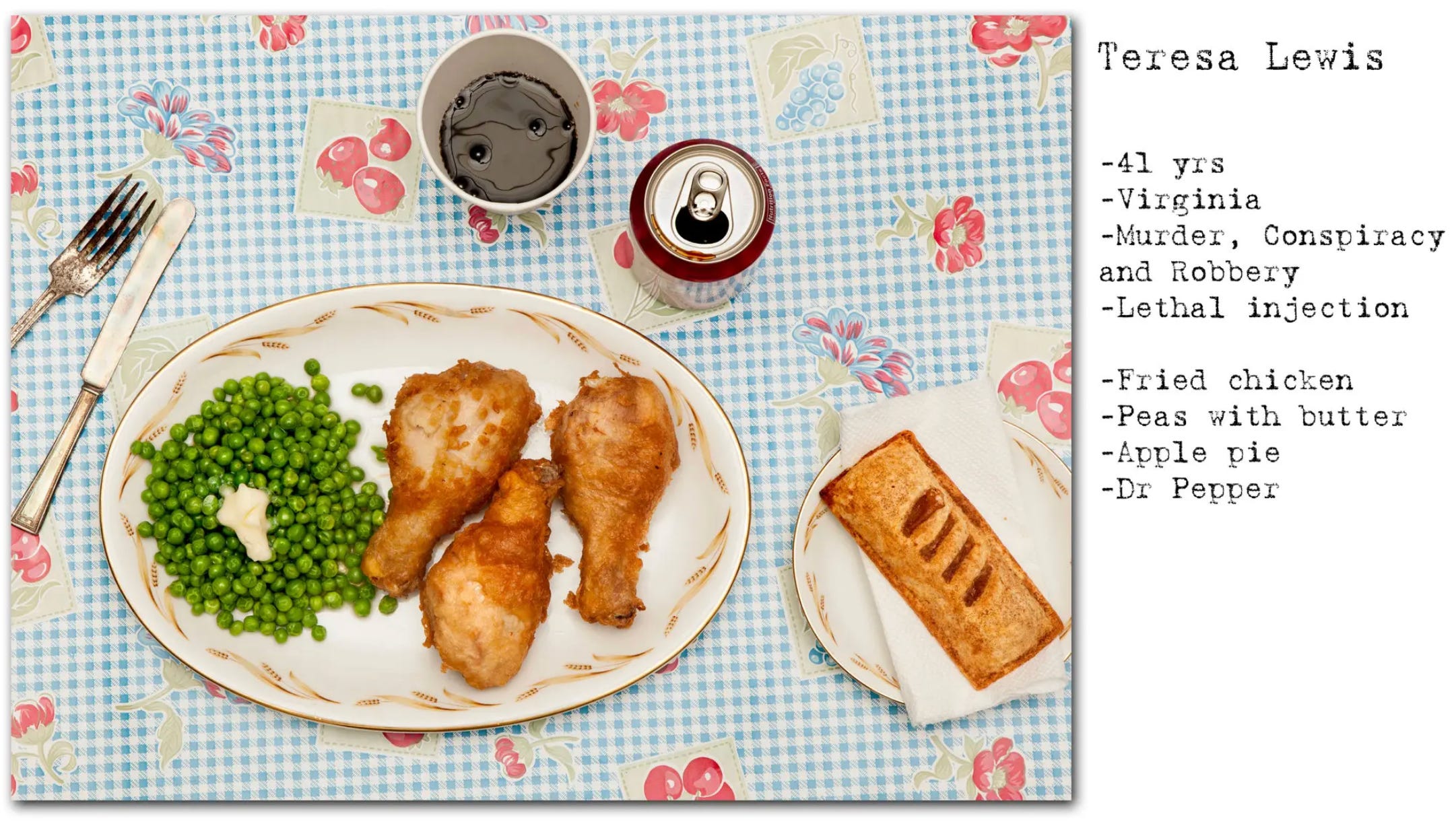
Of all the last things, last suppers, might be the most interesting to write about. The scholarship around last suppers is deep. The concept, originally, came from the Ancient Greeks. When a person was put to death, they didn’t want him pissed off and coming back over the River Styx to menace them as a Hungry Ghost. The Greeks fed the condemned to appease them and make them docile.
The Last Supper, the 15th century painting by Michelangelo, and also the orignal story, as described in the Gospels, is drenched in lastness. Jesus is leaving his disciples. He calls out his betrayer, forgives his betrayer, kicks off thousands of years of communion, and introduces the symbolism of the bread and the wine, as the body and the blood of Christ. It’s a lot. If the Last Supper were a dramatic thriller on Netflix, Jesus would be tying up all the plot lines in a single Emmy-winning dramatic monologue.
The Puritans in Massachusetts continued the traditions of Jesus’ last supper by making a giant communal feast when someone was to be executed. The idea was to break bread together, to take this last chance for atonement, for the prisoner and the community as a whole. With the idea being: Let us eat and drink now, for tomorrow we shall die. A phrase that pops up twice, in Isaiah 22:13 (Old Testament) and 1 Corinthians 15:32 (New Testament).
The large-format meal was a peace-offering between the brutal state execution machine, and the complicated humans who committed crimes.
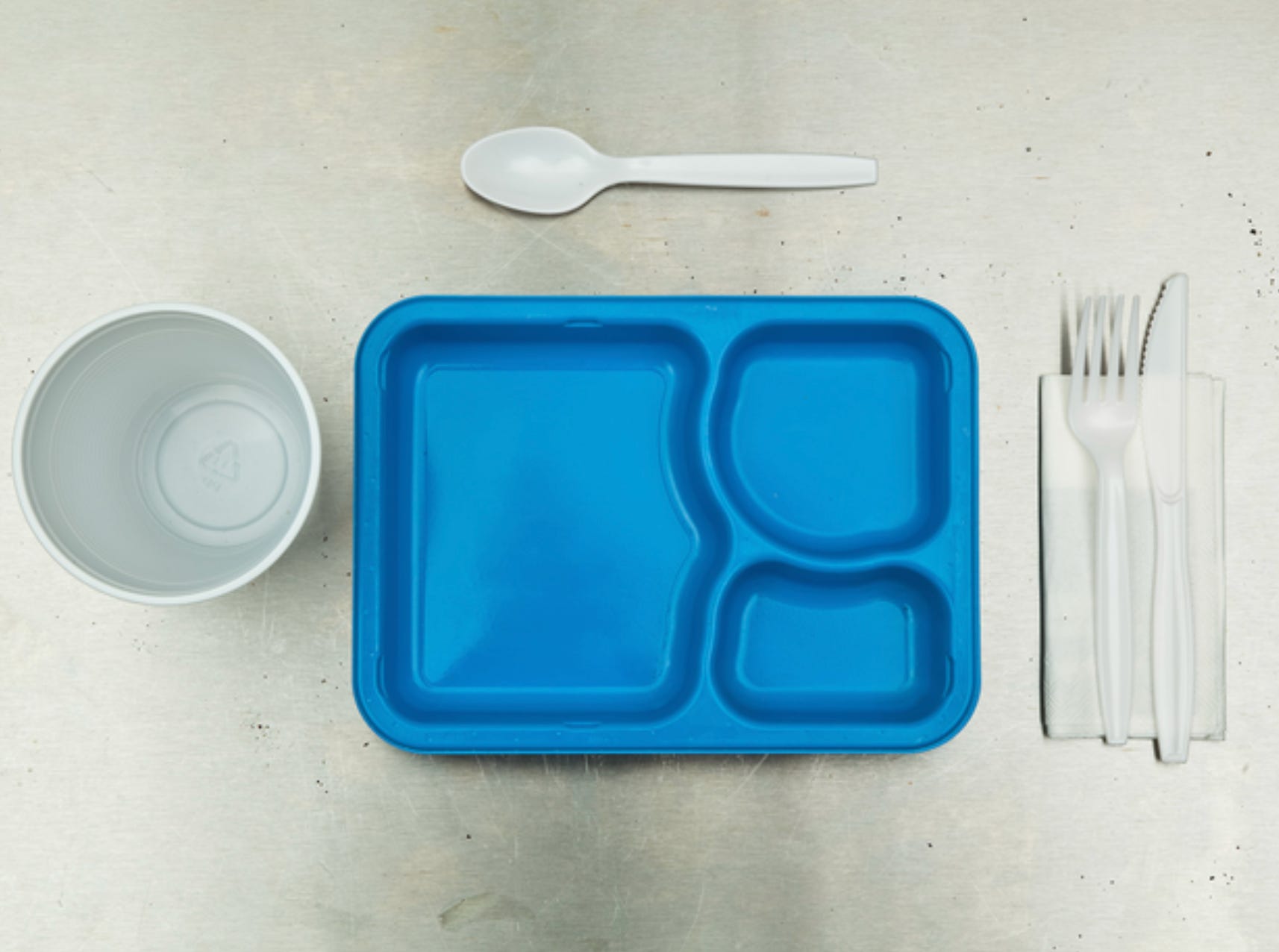
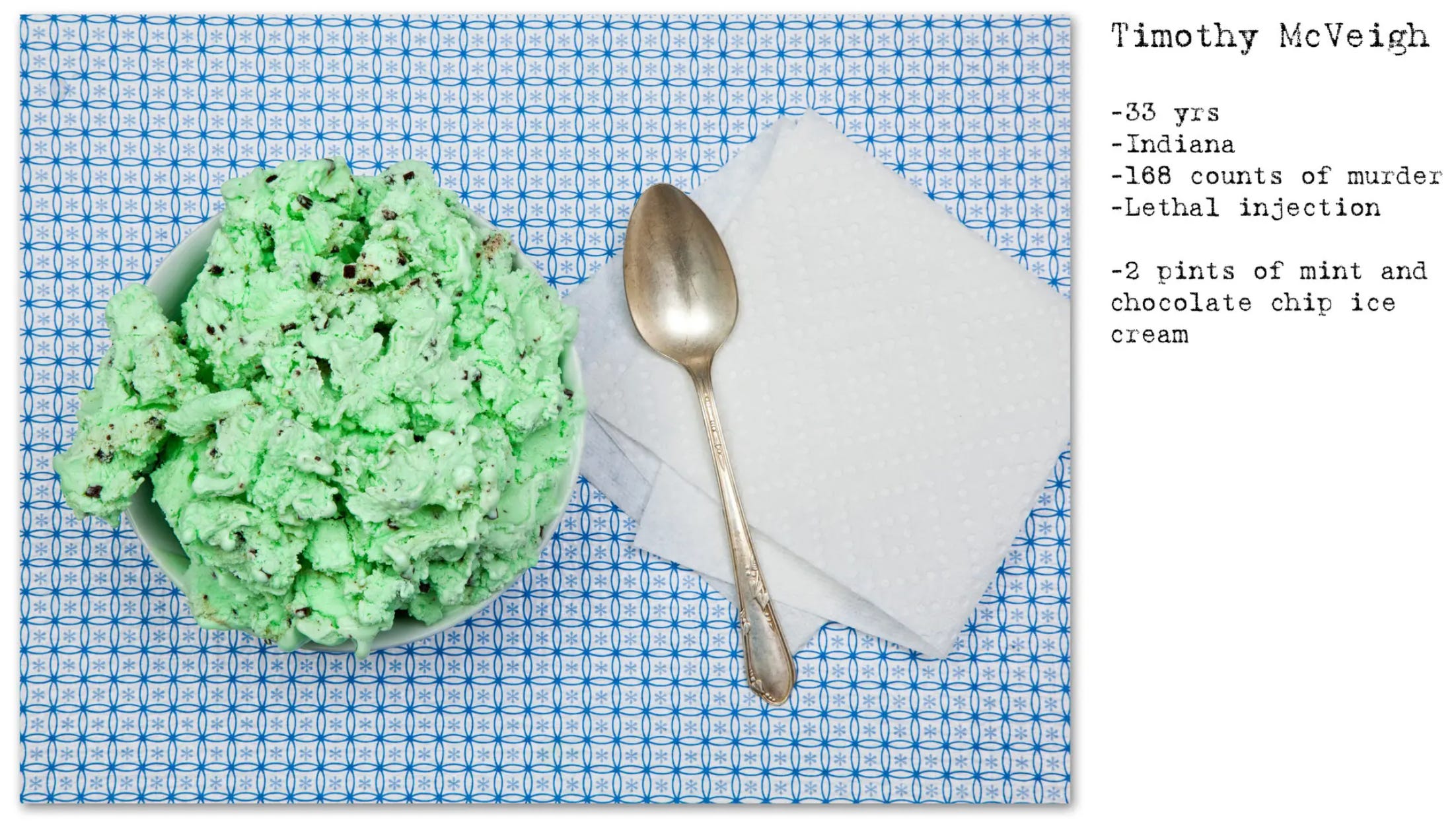
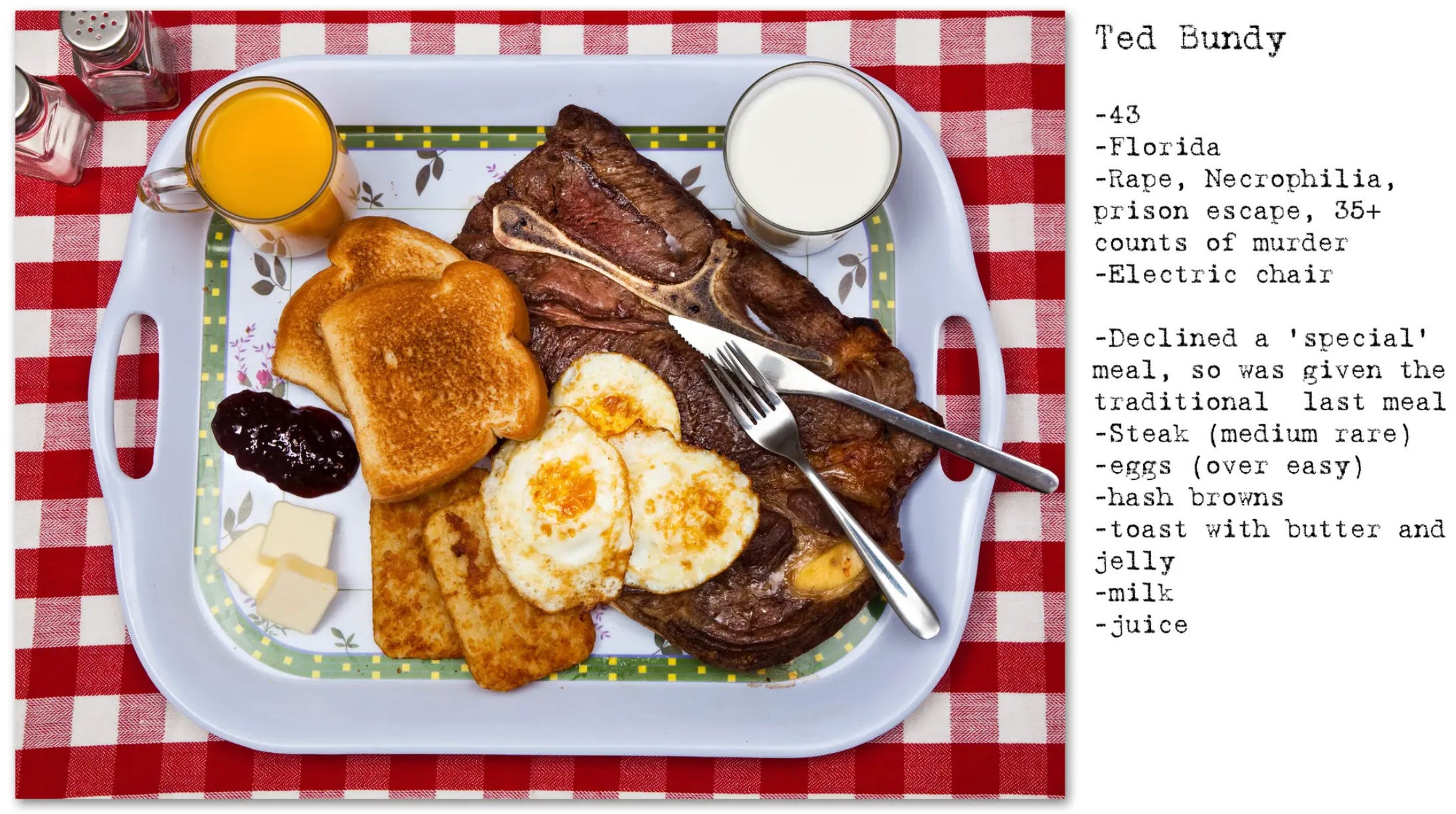
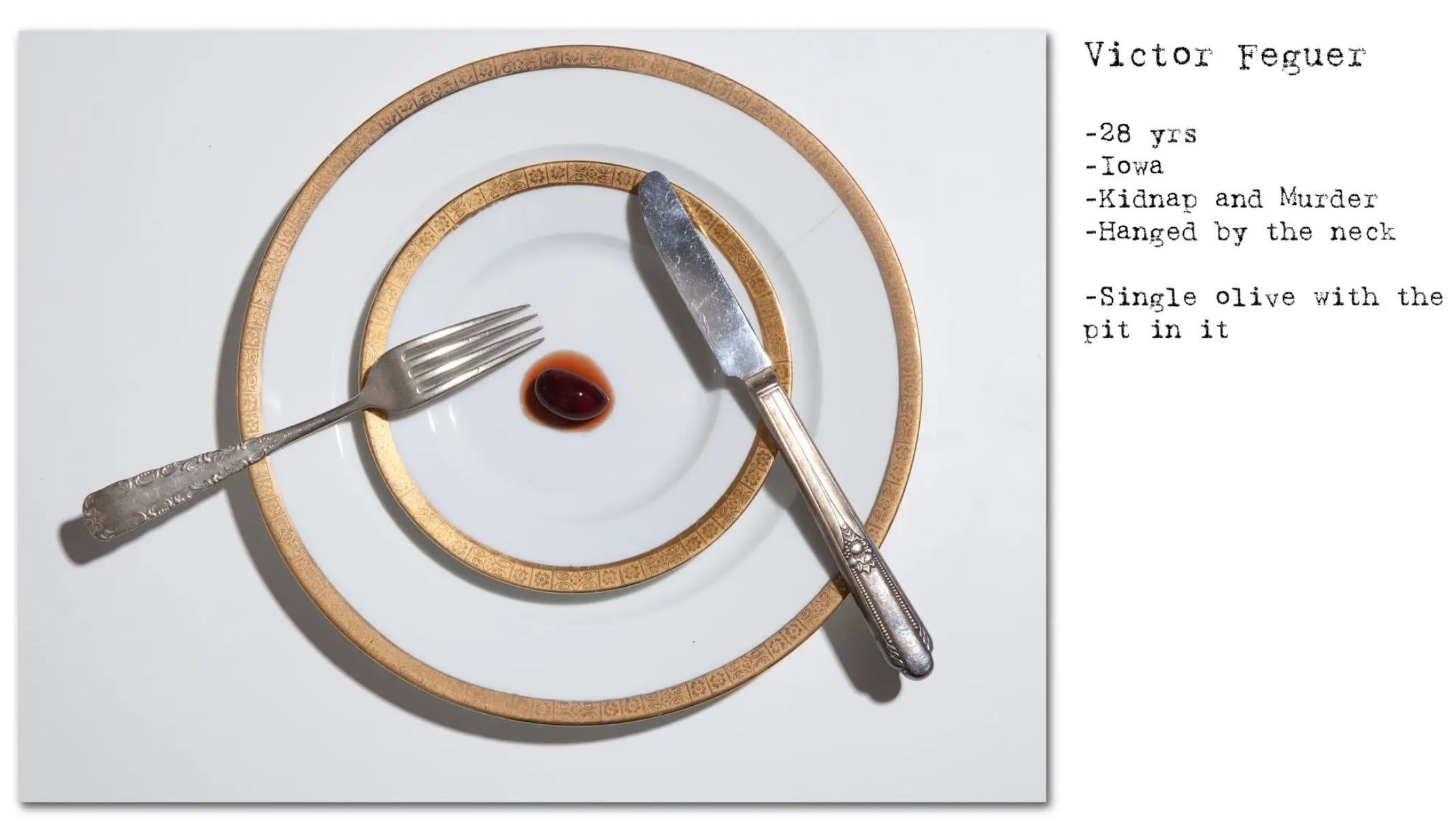
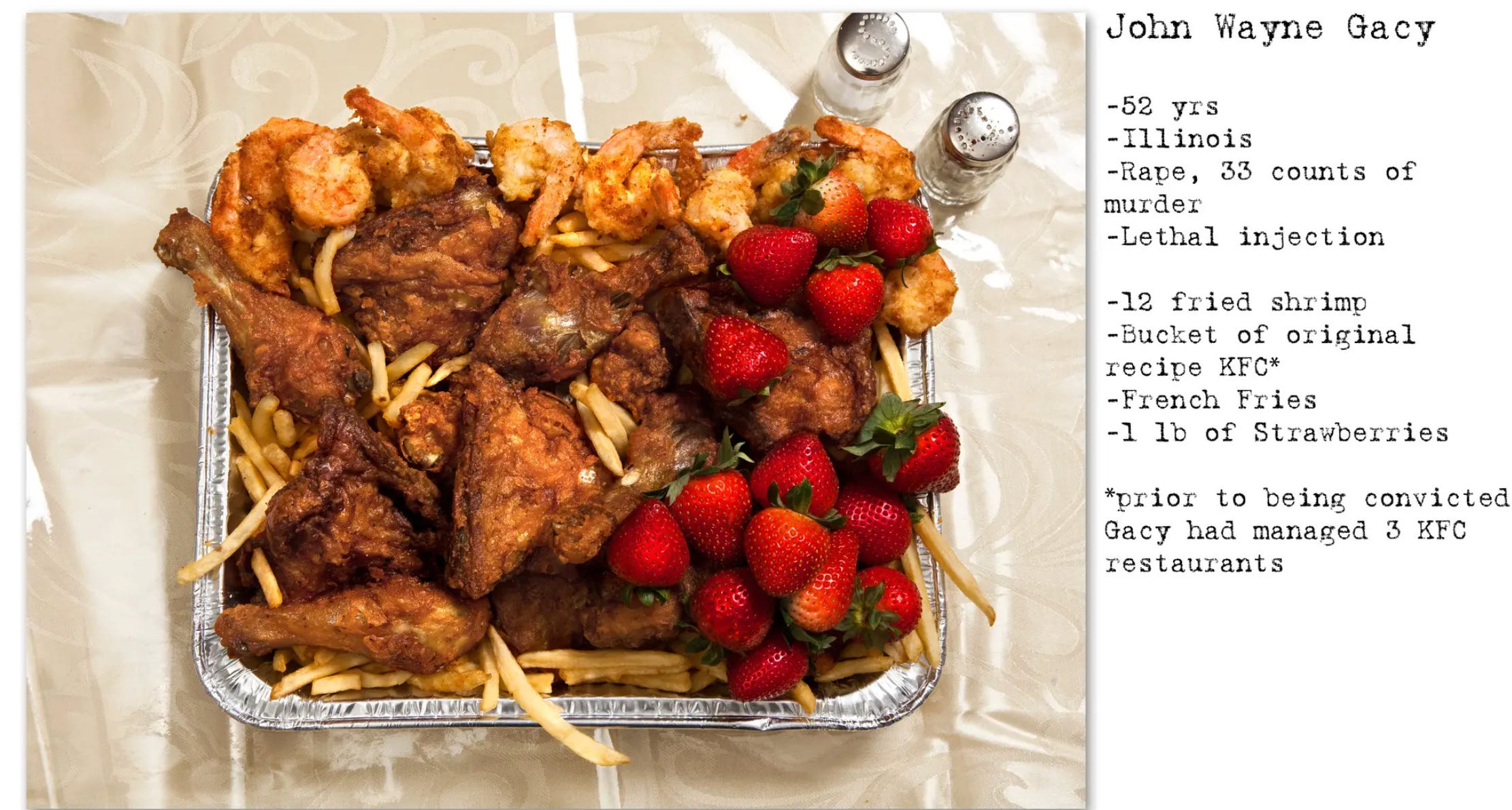
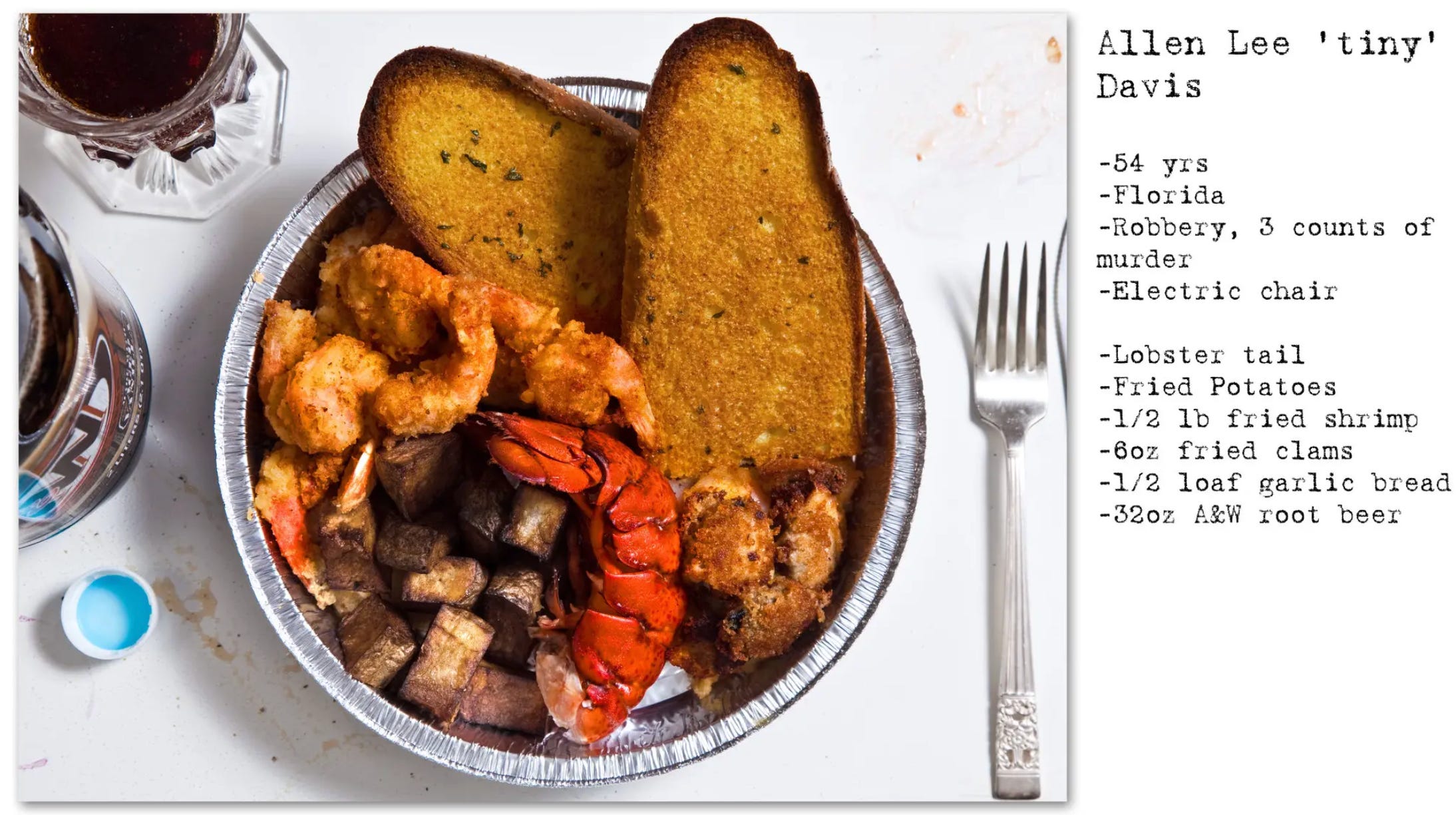
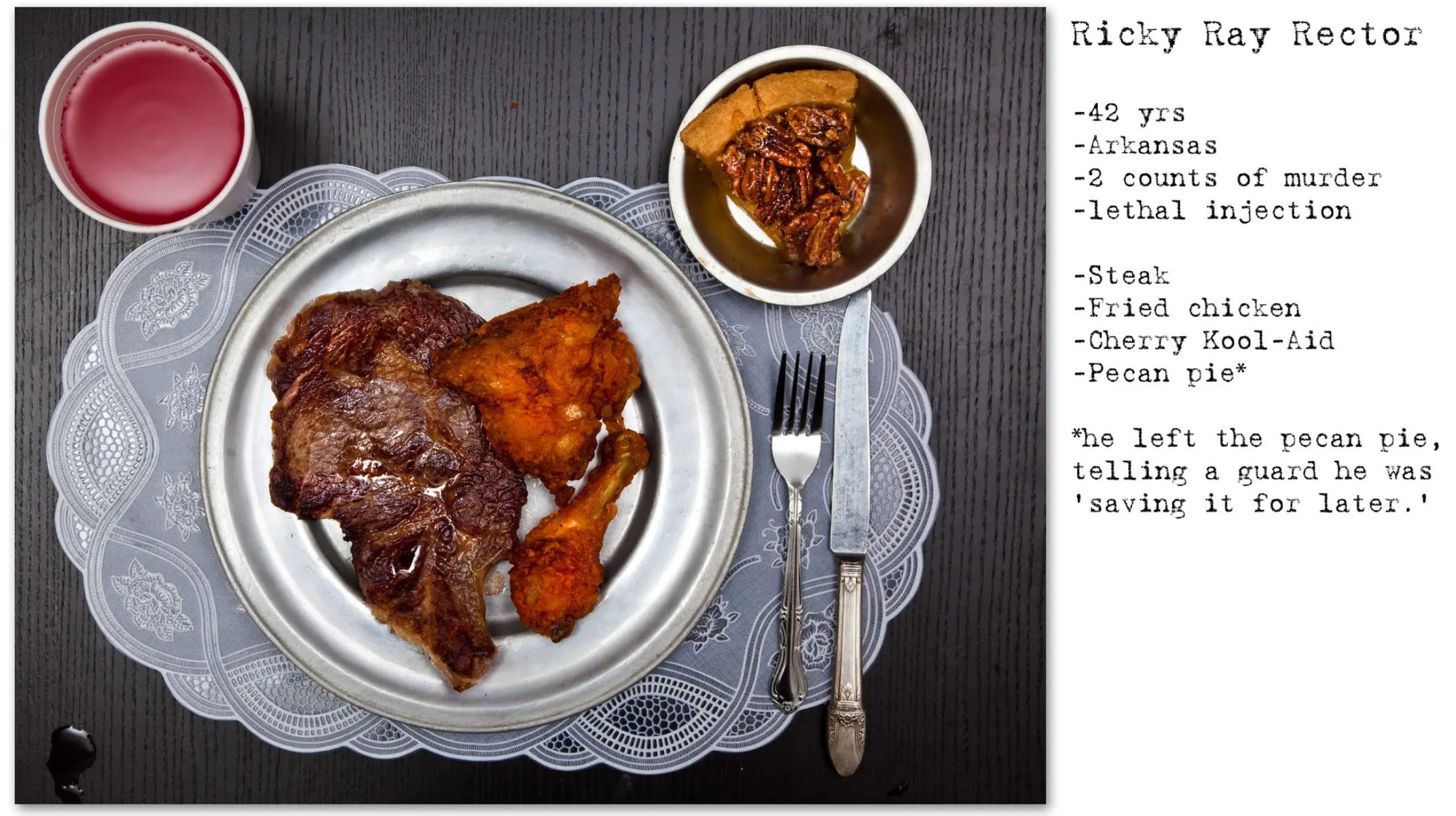
The photos in this essay are of meals served to death row prisoners leading up to their executions. Their last meals. The photographer is New Zealander, Henry Hargreaves, who said this about what drew him to making this series called No Seconds:
I felt a sense of empathy for these people. Up until now they had generally been depicted by the state and through the media as bad people meeting their deserved end. Whereas now through this common denominator of food they became more than just a statistic and were strangely personalized. It made me curious about the entire justice system and how certain people are deemed bad enough to not walk the earth anymore and if this system is prone to any biases or mistakes.
This is as the puritans wanted it. To provide comfort at the end, for even the most heinous and anti-social among us, to bring us all, collectively, to the knees of mercy.
The last meals themselves mirror the people and their desires. Victor Feguere, condemned to be hung for kidnapping and murder, requested a single olive to symbolize world peace. He hoped the pit would grow a tree from his decaying body. A murderer named, James Smith ordered a plate of rhaeakunda dirt, a requirement to make reincarcation happen for himself through a Voodoo spell. It wasn’t on the approved foods list, and it was denied. And Thomas Grasso, who strangled an eldery woman and later an elderly man for their social security checks and purse change. His final words were: I did not get my SpaghettiOs, I got spaghetti. I want the press to know this.
One particularly difficult last supper involved a mentally incapacitated death row inmate named Ricky Ray Rector, who ate his final meal, but “saved his pecan pie” for “later,” not fully understanding his own impending death. He had tried to commit suicide after shooting a police officer, but he took out his frontal lobe and lived.
Sometimes death row inmates forgo their meal. When we confine people, and remove their freedoms, they will always find their ways to resist. Food is a common tool of incarceration resistance. Lawrence Russell Brewer, of Jasper, Texas, was one of the white supremacists who dragged James Byrd, Jr, a Black man, down a dirt road for three miles, off the back of a pickup truck. Brewer asked for a large last supper: chicken fried steaks, burgers, BBQ and pizza. He refused to eat it. That act in 2011, ended last suppers for death row inmates in Texas, forever. There is always one asshole who ruins it for everyone else.
Brewer was an outlier though. The research tells us that inmates who believe themselves to be innocent decline their last meals at rates of almost three times as often, as those who confessed to their crimes. Making meal rejection at execution a sign of possible innocence and wrongful conviction.
I recently read an article about a chef who had a successeful restaurant career, and then went to cook for people in hospice. British chef, Spencer Richards, spoke about making the first ever birthday cake for a 93-year-old woman. Her first birthday cake was her last cake. He made Vietnamese street food for a dying 21-year-old who didn’t want anything on the standard menu. For Richards, the idea is to provide the meal that will bring the most joy and surprise, possibly fill in holes in experience. The last meal as a bucket list to check off.
Another hospice chef, Thomas Montgomery brings a different take, but one still focused on the experience of dying as an act of living: They (folks in hospice) don’t want complicated. They want to feel cared for. Mashed potatoes are soft, easy to eat…and they taste like home. It’s more than flavor, he says, it’s connection to life.
The last things often connect us back to the very best parts of life itself. And the very best things are often scarce and precious anyway, precious because of their scarcity. Last things, and potential last things like visiting your elderly father in another hemisphere, must be savored for this reason.
Before this last trip to Australia, I said to David the thing I always say to him when he goes on a trip. Make sure you come back.
I say it everytime he leaves on a trip. I started this when I was more insecure about our relationship, when we were new. When I worried he might meet a gorgeous dancer on one of his shows, or in the week he’d be gone, he might fall out of love with me. I know now he will come back home. But if I didn’t say Make sure you come back, I would feel 100% like I was dooming his plane to fall out of the sky. So I say it, every time.
Someday I will say it and it will be the last time. I will say it and he won’t come back, or it will be me who won’t be here when he does, or some other unpredictable iteration of our last thing. Maybe we will be prepared, maybe we won’t. I’ve always thought of David and I as infinite, the future unffurling in front of us, endlessly. The two of us impervious to time. We could waste time because there was so much of it. Then, we were 50. All of a sudden. Then our kids became adults. Then David had a heart attack.
Everything we do now is a potential last thing. And so it must all be savored.
Thank you, as always, for reading. Kim xo
The way you convey the complexity of emotion in your writing overwhelms me in the best way possible.
I loved this.